
























Built for Harvey & Price

Broker of record, and the year that follows it. Prepared for Harvey & Price Co., Eugene, Oregon. September 2026.

Four commitments

Where we would start

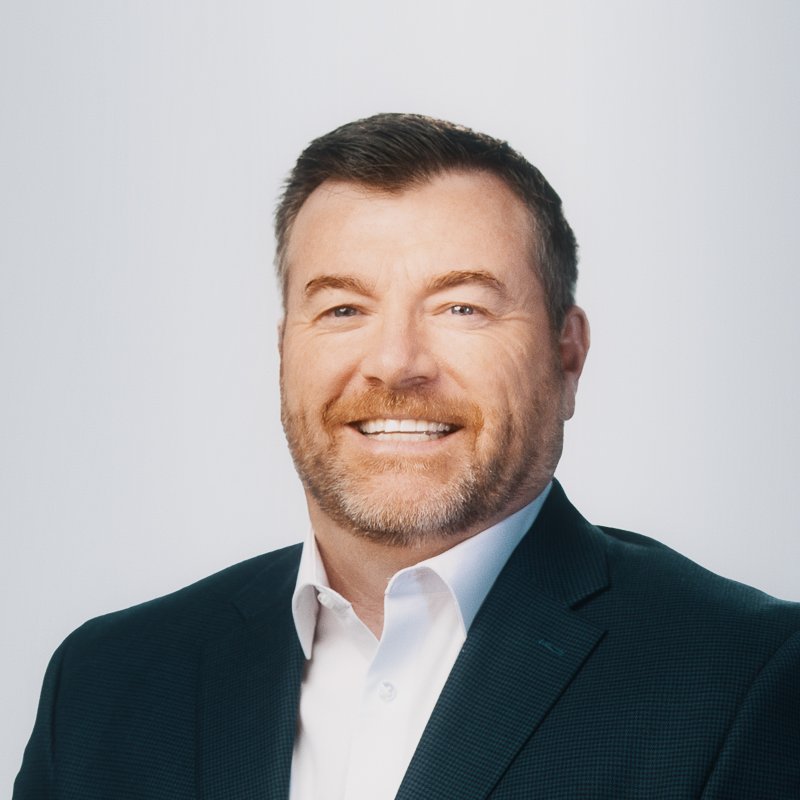
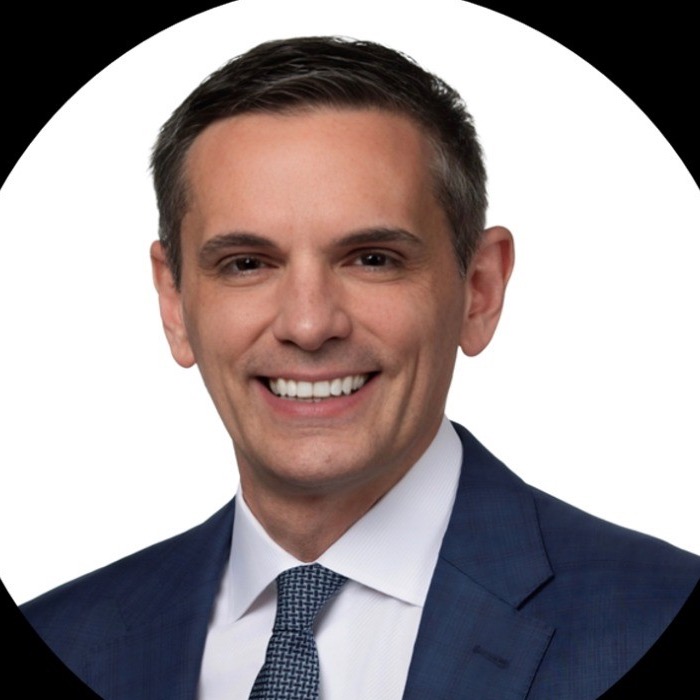
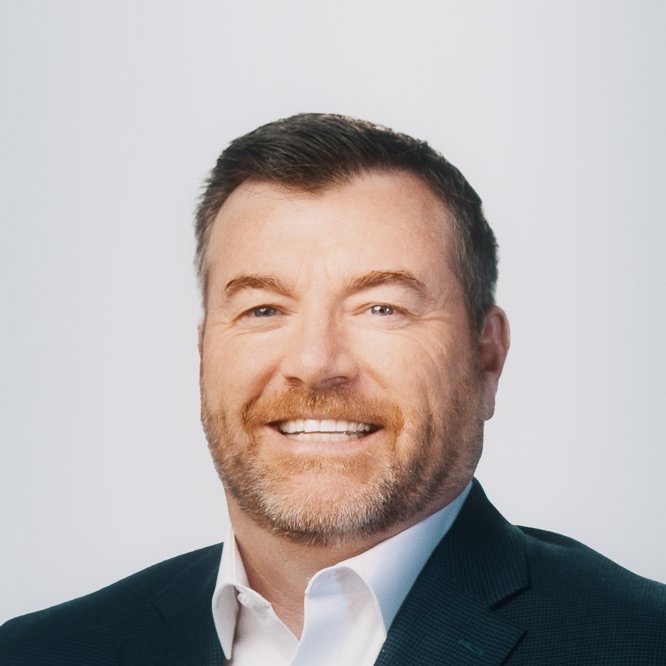
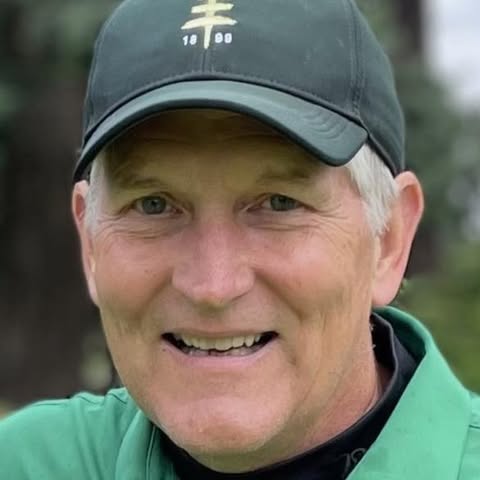
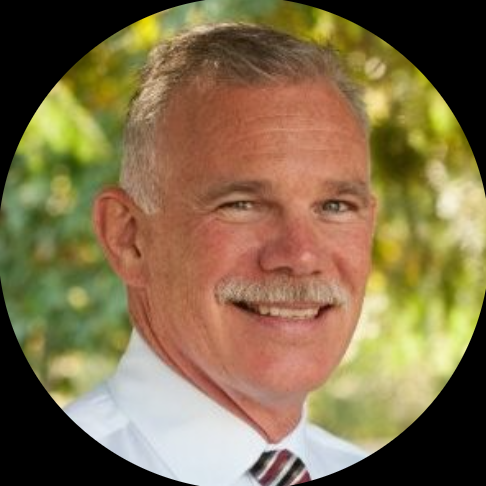
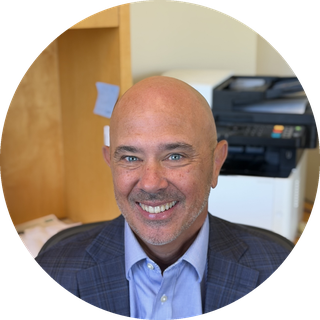
Logan Haugen
Logan Haugen
SVP, Commercial Lines. Team Lead, HUB Team Haugen.

We think the world of your operation, and I will say plainly why we want this account. We are a local team with a national bench behind us, and contractor work is what we do. Renewals, market strategy, loss control recommendations, certificates, safety programs, claims, job evaluations, contract review. Not a menu we refer out. The work itself.

Service is our pride point, and I am willing to be held to four things on it.

Your renewal opens 120 days out

Not thirty, not sixty. A renewal conversation that starts four months ahead is a different conversation from one that starts under a deadline, and it is the single change that does the most for what comes back.

Nothing goes to market until you have agreed the plan

At 90 days we sit down with a market strategy, and it is approved by the people who run Harvey & Price before a single submission leaves this office. You are not briefed on the process afterward. You set it.

Every loss recommendation is written down, owned, and carried until it closes

It sits on a scorecard with a name and a date against it, not in somebody’s memory, so nothing gets found again at the next renewal.

Every function has a name on it

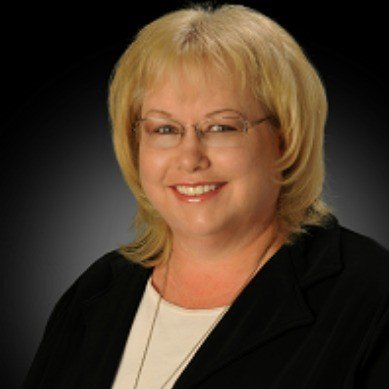
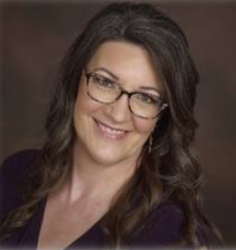
Not a queue and not a portal. Linda Shaddon issues your certificates, and a rush certificate goes out in two business hours from someone who read the contract.

HUB International office reception

Prepared for Harvey & Price Co. Confidential and Proprietary.

A commitment on this account

The names on the account

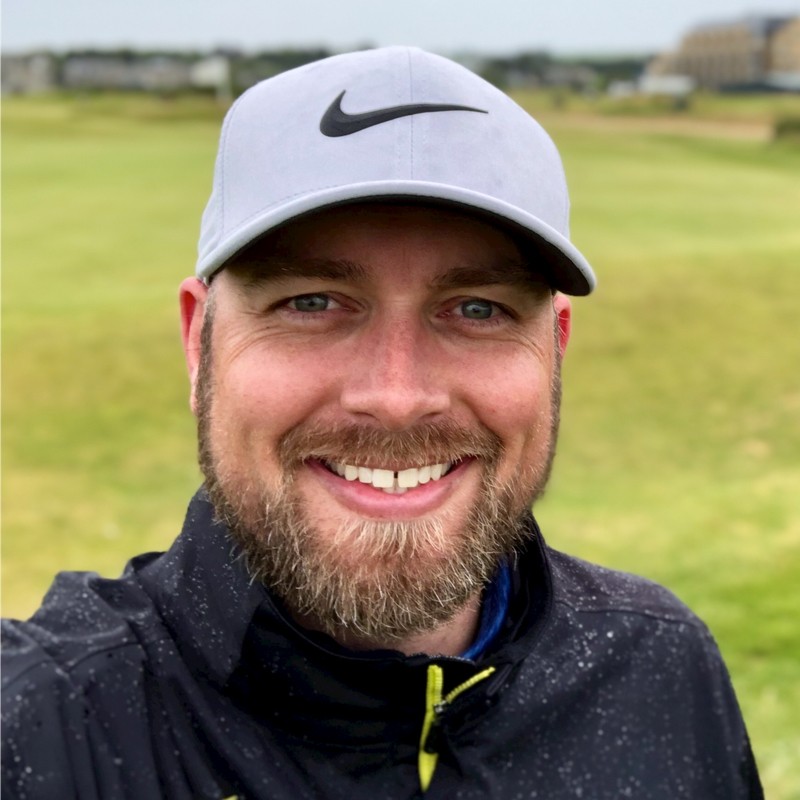
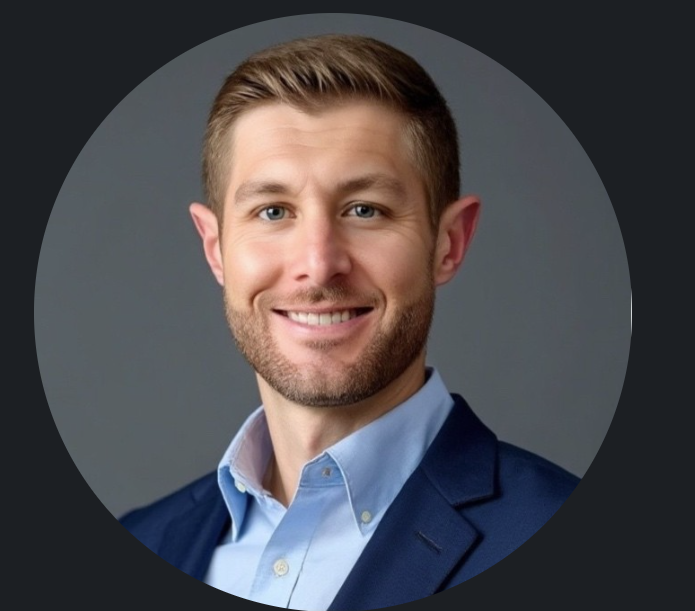
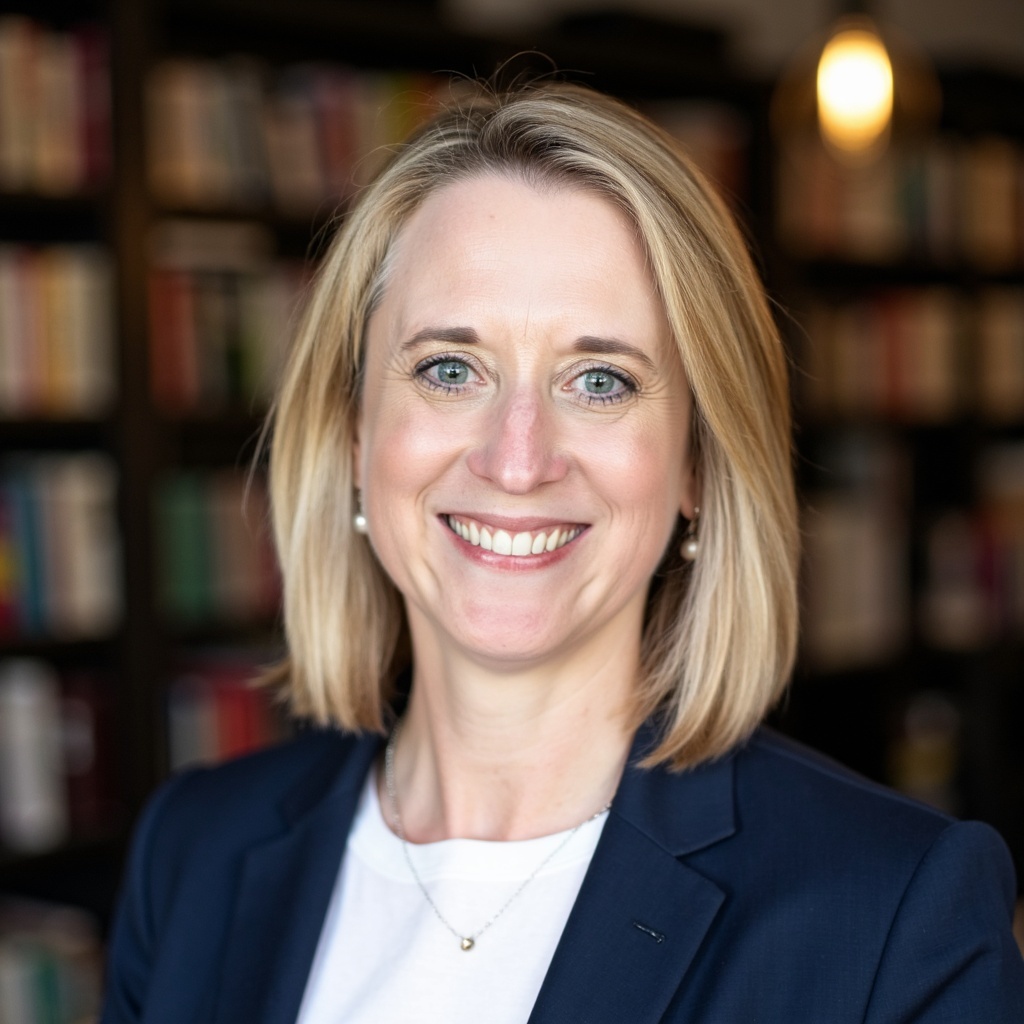
Logan Haugen
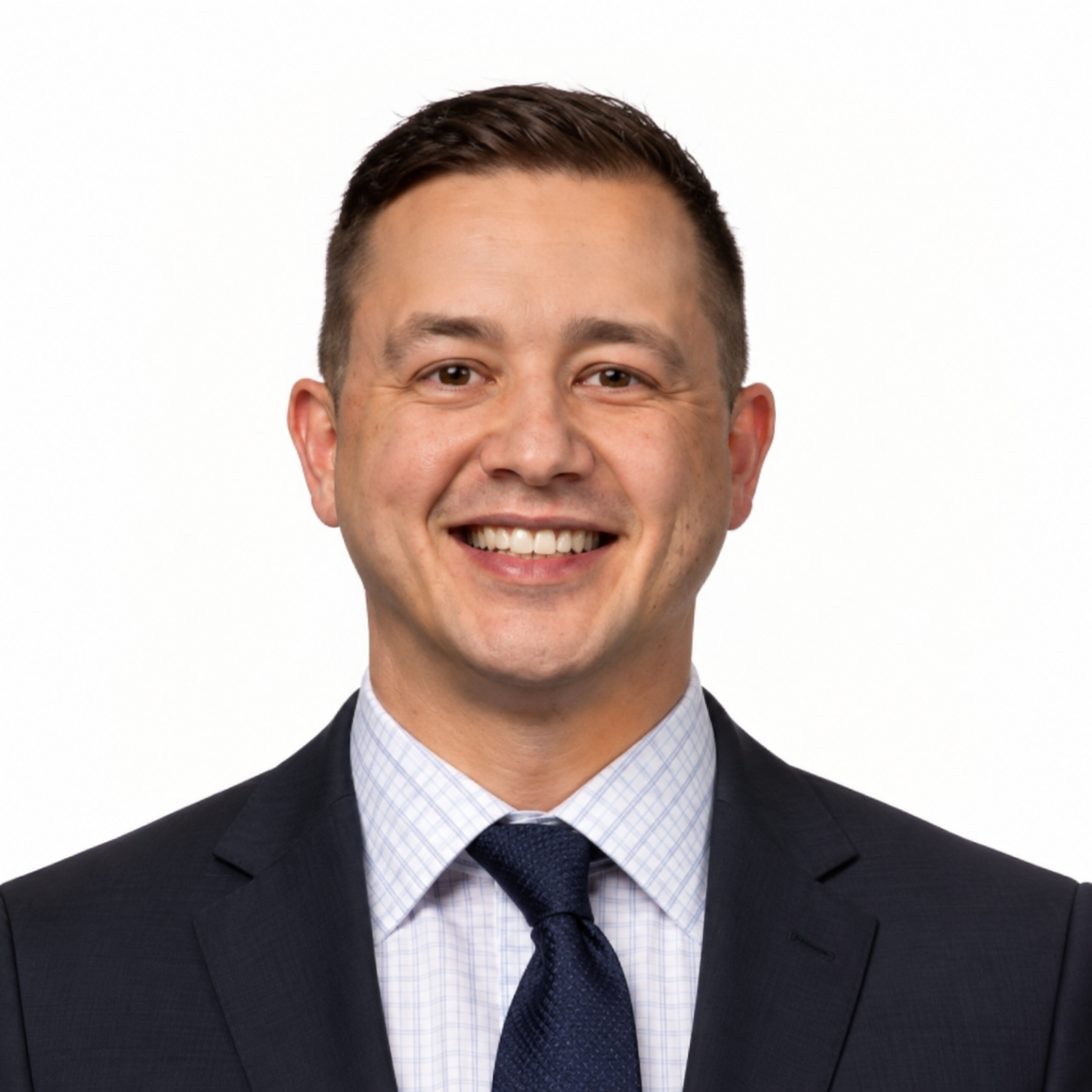
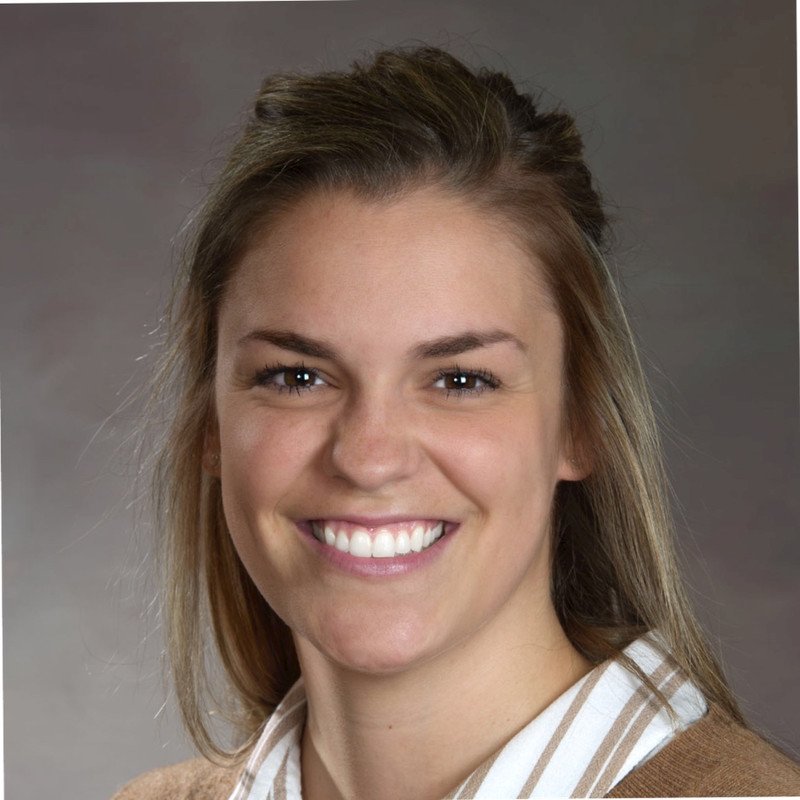
Hayden Haugen
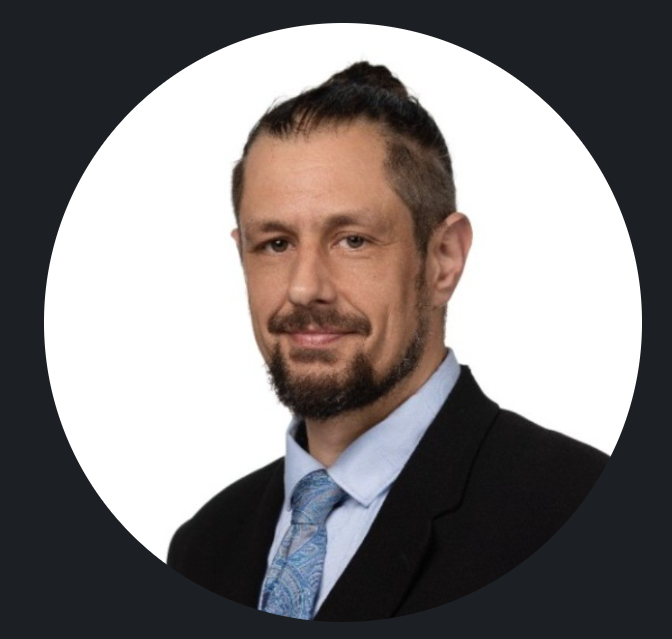
Spencer Haugen
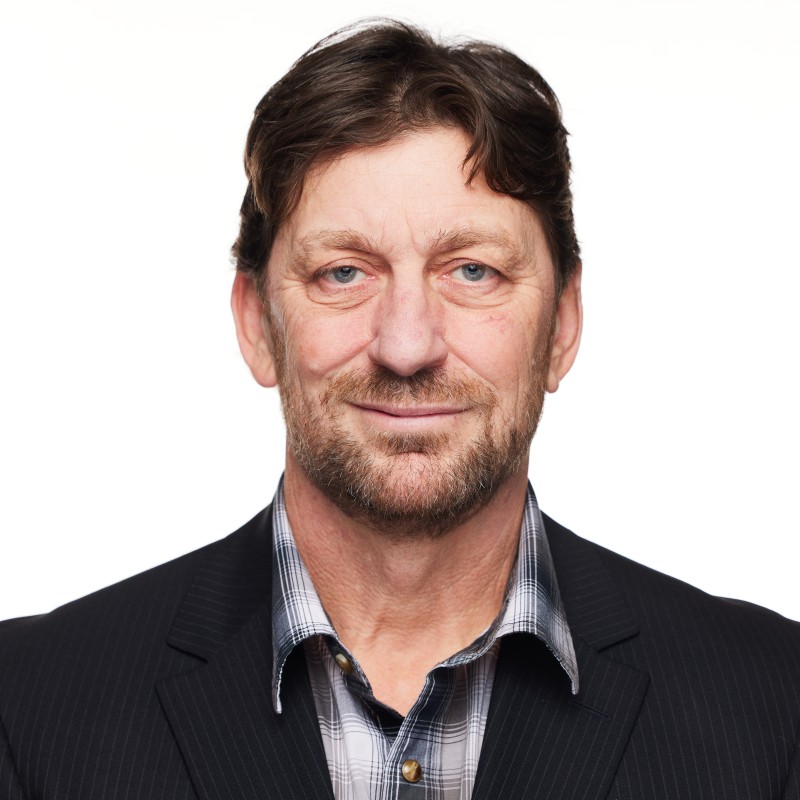
Don Watson
Linda Shaddon
Michael Barclay
Erik Finrow

Seven key partners on Harvey & Price. Local, and working the account as one team.

Each one owns a piece of it and answers for it directly.

Logan Haugen
SVP, Commercial Lines. Team Lead, HUB Team Haugen.

Accountable end to end. Harvey & Price’s single point of contact for every insurance need, for anyone in the organization.

Hayden Haugen
Associate Advisor, Commercial Lines.

Accountable for the day to day of the account alongside Logan. Renewal preparation, submissions, and the work between meetings.

Spencer Haugen
Associate Advisor, Commercial Lines.

Accountable for the data transfer at appointment and for workers compensation on the account, including classification review across the five divisions.

Don Watson, JD, LLM, CRIS
Client Service Advisor and Risk Consultant.

Licensed attorney embedded on Team Haugen. Coverage analysis, contract review, indemnity and additional insured structures, and claims advocacy. In-house and included rather than billed through outside counsel.

Linda Shaddon
Sr. Account Manager, Commercial Lines.

Accountable for certificates, policy servicing, and endorsement processing. 27 years in commercial lines.

Michael Barclay, CIC
Vice President, Employee Benefits.

Accountable for employee benefits end to end. Works out of the Eugene office and is in the renewal meetings himself.

Erik Finrow
President, HUB International Oregon.

Accountable for resourcing. Every practice named in this response is available to this account without a referral, a cost transfer, or a queue.

Risk Services

The people who would do the work, whichever services Harvey & Price selects

Every service in the menu below is delivered by a named person on this page, not by a vendor and not by a queue. That is the whole reason the selection is real rather than decorative. If Harvey & Price marks twelve services Include, these are the six people who run them.

For a mechanical contractor running five divisions the work is specific. Hot work controls across the fabrication shop. Rooftop and confined space entry procedures. Refrigerant handling. Workers compensation classification across HVAC, fire protection, fire alarm, plumbing and piping, and metal fabrication, where the class codes and the rates are not the same and the split has to be right. Fleet and driver qualification review for technicians on the road daily across Oregon, Southern Washington and Northern California. Incident investigation with root-cause analysis.

Fire suppression carries its own underwriting scrutiny, and documentation is what answers it. NFPA compliance records, inspection and testing histories, and quality control process evidence are exactly the material that decides how a failure-to-suppress allegation gets defended and what it costs. Getting that documentation organized is risk services work, not paperwork.

None of this is bundled into a fixed scope. Select what you want, decline what you have, and the bench sizes to the answer.

The team

Scott Fouts, MS, GSP, CSHM, CLCS, CBIA, CEEM
SVP, Risk Services Leader

Leads HUB’s Risk Services practice nationally. Every discipline in the selection above sits under his practice. His involvement is what makes these specialists a national bench rather than a regional one.

Chris Burgh, CFPS, CSP, CEEM
AVP, Senior Risk Services Consultant

Named risk services consultant on the Harvey & Price account. Fire Protection Engineering and Safety degree from Oklahoma State. Former FM Global field engineer, account engineer, and property adjuster. Bothell, WA.

Jeremy Heath
Senior Risk Consultant

Environmental Health and Safety Manager for 25 years, including chemical manufacturers and agribusiness. Developed and maintained a regulatory compliant global Hazmat shipping program.

Xander D’Arcy
Workers’ Compensation Claims Analyst

Eighteen years in workers compensation. Specializes in return-to-work programs. Reviews open and closed claim files, reserve positions, and development history. On a high-hazard operating account this is the file the program gets read from.

Don Watson, JD, LLM, CRIS
Client Service Advisor and Risk Consultant

Licensed attorney embedded on Team Haugen. Coverage analysis, contract review, indemnity and additional insured structures, and claims advocacy. In-house and included rather than billed through outside counsel.

Shelley Sage
Workers’ Compensation Analytics and Account Support

Loss data and analytics on the workers compensation program, working alongside Xander on the claims behind the numbers.

Risk Services Selection

Fifty two services. Harvey & Price chooses which ones run.

This is not a package and it is not a proposal. It is our full risk services menu, and Harvey & Price decides what runs on its account.

We work as a full-service bench rather than a fixed scope, which means the safety and risk engineering layer is set by what Harvey & Price actually needs rather than by what we happen to sell. Decline what is already covered. Include what is not. Leave unmarked anything you want to talk through before deciding.

Workers compensation, fleet, and hot work lead the list because multi-class field labor, technicians driving to job sites daily, and a fabrication shop are where cost concentrates. Property sits third, framed around the equipment schedule rather than the buildings, because that is where the value sits. Platform and recordkeeping sits last because it is an implementation item rather than an exposure.

  1. Fleet, DOT, and transportation safety
    Eight services

    DOT fleet compliance review

    Assessment of the target's regulated operations against FMCSA requirements, covering hours of service, vehicle maintenance records, and drug and alcohol program administration.

    What we request from the target
    • MCS-150 and current operating authority
    • Vehicle schedule with VIN, GVWR, and radius of operation
    • Maintenance and inspection records
    • Drug and alcohol program administrator detail

    Driver qualification file auditTravel upon request if onsite is preferred

    File by file review against federal requirements. Identifies missing motor vehicle records, expired medical certificates, and incomplete employment verification before a file gets pulled after an accident.

    What we request from the target
    • Complete driver roster with hire dates and license classes
    • Driver qualification files
    • Motor vehicle record pull history

    CSA score analysis

    Review of the target's safety scores by category, showing which sit above federal intervention threshold and what is driving them. Scores follow the operating authority into your program.

    What we request from the target
    • Safety scores by category, current and trailing 24 months
    • Roadside inspection history
    • Crash register

    Telematics platform review

    What the target runs today, what the contract costs to exit, and what it costs per unit to move them onto your platform. We support the commercial conversation on both sides.

    What we request from the target
    • Current platform, contract term, and per unit cost
    • Camera and event recording configuration
    • Driver scoring methodology in use

    Accident register and preventability review

    Three years of the target's accidents read for pattern rather than count, with their preventability standard tested against yours.

    What we request from the target
    • Accident register, trailing 3 years
    • Preventability determinations
    • Accident review board process

    Defensive driver training program

    Structured driver curriculum with completion tracking, delivered online or onsite, to bring target drivers onto a single standard.

    What we request from the target
    • Current training completion records
    • Training curriculum in use

    Supervisor accident investigation training

    Supervisor level training on post accident procedure, scene documentation, and driver coaching. Distinct from operator training and usually the weaker of the two.

    What we request from the target
    • Supervisor roster
    • Post accident procedure documentation

    Fleet policy and accident review board design

    Fleet program structure, written policy, and the review board process that decides what counts as preventable and what happens next.

    What we request from the target
    • Written fleet safety policy and driver handbook
    • Disciplinary matrix for driving events
  2. Workers compensation
    Eight services

    Claims reserve audit

    File level review to find claims reserved too low, which hides liability that surfaces after close, and claims reserved too high, which inflates the modifier and the premium you inherit.

    What we request from the target
    • Open claim detail with current reserves
    • Adjuster notes where available
    • Loss runs valued within 60 days

    Experience modifier verification

    The published modifier checked against the actual loss record. Errors in the rating worksheet are common and correcting them is a direct premium reduction.

    What we request from the target
    • Experience modification worksheets, current and trailing 3 years
    • Loss runs by policy year
    • Payroll by class code

    Modifier trajectory modeling

    Projection of how the target's open claims will develop into future rating periods. Tells you what the modifier will be, not what it is today.

    What we request from the target
    • Open claim detail with reserve history
    • Claim closure patterns
    • Payroll projections

    Class code and payroll allocation review

    Verification that payroll sits in the right class codes and the right states. Misallocation is one of the most common premium errors and it surfaces at audit if it is not caught first.

    What we request from the target
    • Payroll by class code by state, estimated and audited
    • Premium audit results, trailing 3 years
    • Job descriptions by role

    Injury trend and root cause analysis

    Claims read for pattern rather than volume, which is what separates a run of bad luck from a program that is not working.

    What we request from the target
    • Loss runs with cause and body part detail
    • Incident investigation records
    • OSHA logs for cross reference

    Return to work program reviewTravel upon request if onsite is preferred

    Assessment of the target's modified duty program, which is the largest controllable driver of claim duration and therefore claim cost.

    What we request from the target
    • Return to work policy
    • Modified duty history and transitional roles used
    • Physical demands documentation by job

    Carrier and adjuster handling review

    How well the incumbent carrier has handled the target's claims, and whether service terms are worth preserving or replacing at close.

    What we request from the target
    • Carrier and TPA service agreements
    • Claim handling instructions
    • Adjuster assignment history

    Claims reporting protocol alignment

    Reporting timelines, investigation standards, and escalation paths matched to yours. Reporting lag is expensive and it is fixable in week one.

    What we request from the target
    • Current reporting procedure
    • Supervisor roster and training status
  3. Safety, OSHA, and regulatory
    Twelve services

    OSHA log review and injury rate benchmarking

    Injury records analyzed and benchmarked against the target's own industry code, which shows whether a clean loss year reflects a good program or a quiet one.

    What we request from the target
    • OSHA 300 logs and 300A summaries, trailing 5 years
    • OSHA 301 incident reports
    • Employee headcount and hours by location

    Written safety program auditTravel upon request if onsite is preferred

    Program by program review against regulatory requirements, identifying what is missing, what is out of date, and what exists on paper without evidence in the field.

    What we request from the target
    • Complete written program index with revision dates
    • Program documents
    • Last review or revision records

    Onsite safety inspectionTravel upon request if onsite is preferred

    Field assessment at the target's operating locations with written recommendations ranked by hazard. This is the check on whether the paperwork matches the yard.

    What we request from the target
    • Site list with headcount, operations, and square footage
    • Site access coordination
    • Equipment inventory by location

    Citation and abatement history review

    Open citations, inspection history, and abatement status. An open citation is an inherited penalty exposure and a signal about what regulators already found.

    What we request from the target
    • Citation history and inspection records
    • Abatement documentation
    • Informal conference and contest history

    Training records and matrix reviewTravel upon request if onsite is preferred

    Who has been trained on what, when it expires, and where the gaps are by role and location.

    What we request from the target
    • Training matrix by role
    • Completion records by employee and topic
    • Certification and card status

    Contractor and subcontractor prequalification review

    How the target vets the firms it hires and whether its indemnity and insurance requirements hold up. Weak prequalification transfers other people's losses to you.

    What we request from the target
    • Prequalification process and criteria
    • Sample subcontract agreements
    • Certificate collection practice

    General liability exposure assessment

    Third party bodily injury and property damage exposure, including public interface at job sites.

    What we request from the target
    • Loss runs with cause detail
    • Job site protocols
    • Public access and barricading practice

    Industrial hygiene assessment

    Exposure monitoring for airborne and physical agents including silica, noise, and diesel particulate.

    What we request from the target
    • Prior monitoring results
    • Chemical inventory and SDS
    • Task list by exposure group

    Environmental compliance review

    Waste handling, storage, and reporting obligations, including fuel and fluid management across yards.

    What we request from the target
    • Environmental permits
    • Waste manifests
    • Spill history and response records

    Ergonomics assessment

    Task level assessment for the manual handling and repetitive work that drives soft tissue claims.

    What we request from the target
    • Job task descriptions
    • Soft tissue claim history

    Employment practices program review

    Harassment and discrimination program structure and training, which is the control on employment practices liability exposure.

    What we request from the target
    • Employee handbook and policies
    • Complaint and investigation history
    • Training completion records

    Carrier recommendation advocacy

    Management of open loss control recommendations from the target's carrier, including response drafting and closure. Open recommendations compound into renewal friction.

    What we request from the target
    • Carrier loss control reports
    • Open recommendation log
    • Prior responses submitted
  4. Property, equipment, and catastrophe
    Nine services

    Equipment schedule and valuation reviewTravel upon request if onsite is preferred

    Cranes, rigging, trailers, and mobile equipment reviewed against current replacement cost. Equipment schedules age badly and underinsurance is only discovered after a loss.

    What we request from the target
    • Equipment schedule with year, make, model, and serial
    • Current insured values by unit
    • Recent appraisals or purchase records

    Schedule of values review and enrichment

    Locations reformatted into an underwriter preferred schedule with flood zone, distance to coast, and geographic coding appended automatically.

    What we request from the target
    • Current schedule of values by location
    • Lease and ownership status
    • Building and contents values

    Catastrophe modeling

    Modeled loss expectancy by peril, run on the same platform underwriters use. For Pacific Northwest operations the question is earthquake and what the target adds to your accumulation.

    What we request from the target
    • Complete location schedule with coordinates
    • Construction type, year built, and stories
    • Insured values by location

    COPE data collection and validationTravel upon request if onsite is preferred

    Construction, occupancy, protection, and exposure detail verified. Incomplete data forces underwriters to price conservatively, which costs you at renewal.

    What we request from the target
    • Construction and occupancy detail by location
    • Fire protection detail including sprinkler and alarm
    • Square footage and stories

    Accumulation analysis

    Radius based concentration analysis showing what happens when a single event hits several of your locations at once. Each acquisition adds to this.

    What we request from the target
    • Location coordinates
    • Values by location
    • Equipment staging and storage practice

    Replacement cost valuationTravel upon request if onsite is preferred

    Independent valuation review on buildings and structures to identify underinsurance before a claim proves it.

    What we request from the target
    • Current insured values
    • Most recent appraisals
    • Construction detail

    Fire protection system evaluationTravel upon request if onsite is preferred

    Assessment of sprinkler, alarm, and suppression systems against recognized codes and standards.

    What we request from the target
    • Fire protection detail by location
    • Inspection, testing, and maintenance records
    • Water supply and hydrant distance

    Aerial imagery assessment

    High resolution imagery providing detailed building attributes for underwriting, and rapid damage assessment after an event.

    What we request from the target
    • Location addresses
    • Ownership status

    Disaster recovery vendor network enrollment

    Access to a vetted national vendor network for mitigation, restoration, and equipment recovery, coordinated through a single contact after a loss. Vendors fund the program, so there is no management fee.

    What we request from the target
    • Location list
    • Critical equipment and operations detail
  5. Business resilience and security
    Eight services

    Cyber posture assessment

    Current state assessment with prioritized remediation. A target materially weaker than your standard is exposed from the day of close, and their policy may not follow the transaction.

    What we request from the target
    • Current cyber policy with change of control provisions
    • Prior assessments or penetration test results
    • Incident and breach history

    Business impact analysis

    Identification of critical processes and how long you can be without them. This is also what sizes business interruption limits, which are usually a guess without it.

    What we request from the target
    • Process and dependency documentation
    • Revenue by operation
    • Recovery time expectations

    Incident response readiness

    Whether the target has a response capability that has actually been exercised, rather than a written plan nobody has run.

    What we request from the target
    • Incident response plan
    • Last exercise or test date
    • Escalation contacts

    Third party and vendor risk review

    Which vendors touch the target's systems and data, and what exposure comes with them.

    What we request from the target
    • Critical vendor list with data access scope
    • Vendor agreements
    • Security requirements imposed on vendors

    Business continuity and emergency action planning

    Continuity program structure and site level emergency procedures, aligned across locations.

    What we request from the target
    • Continuity and disaster recovery plans
    • Emergency action plans by site
    • Last test date

    Physical site security assessmentTravel upon request if onsite is preferred

    Access control, perimeter, and surveillance at yards and equipment storage, where theft exposure concentrates.

    What we request from the target
    • Site security detail by location
    • Theft and vandalism history
    • Access control practice

    Workplace violence prevention program

    Program structure, threat assessment capability, and the process for managing a threat once it is identified.

    What we request from the target
    • Current policy and program
    • Incident and threat history
    • Training records

    Fraud controls review

    Governance, exposure identification, and the detection controls that catch it. Relevant on any acquisition where financial processes are being merged.

    What we request from the target
    • Control environment documentation
    • Segregation of duties detail
    • Prior incidents
  6. Platform and recordkeeping
    Seven services

    Safety platform onboarding

    Target entities and locations built into your risk management platform so recordkeeping runs on one system from the first reporting period.

    What we request from the target
    • Entity and location structure
    • Employee roster by location
    • Current recordkeeping method

    Injury log and incident tracking migrationTravel upon request if onsite is preferred

    Historical injury records loaded and incident reporting switched over, including mobile capture for field supervisors.

    What we request from the target
    • Historical OSHA logs
    • Current incident reporting process
    • Supervisor roster

    Safety data sheet migration

    Chemical inventory and safety data sheets moved into managed storage that satisfies the access requirement.

    What we request from the target
    • Chemical inventory
    • Current SDS storage method and location

    Training assignment and tracking setup

    Curricula assigned by role with completion tracked by supervisor, so training status is a report rather than a search.

    What we request from the target
    • Role list and training requirements by role
    • Current completion records

    Certificate tracking setup

    Certificate of insurance issuance and compliance tracking extended to the target's named insureds and contract requirements.

    What we request from the target
    • Named insured detail
    • Contract insurance requirements
    • Current certificate holders

    Safety observation and audit tools

    Field observation capture and structured self assessment, which builds the documentation trail that supports a claim defense.

    What we request from the target
    • Current observation or audit practice
    • Site and supervisor list

    Consolidated risk data feed

    Policy, claim, exposure, and location data consolidated with direct carrier and administrator feeds, so the combined loss picture is complete at close rather than rebuilt at renewal.

    What we request from the target
    • Carrier and TPA contacts
    • Policy schedule
    • Data feed authorization

Harvey & Price’s Priorities: Where Should We Go Deeper

Your selections set the scope. Tell us where to concentrate.

0included
0declined
0unmarked
0samples requested
The thing that happens every week

Linda Shaddon issues Harvey & Price’s certificates

Not a portal. A person.

Linda Shaddon
Linda Shaddon
Sr. Account Manager, Commercial Lines
Marcia Hawkins
Account Manager II CL
Sindee Johnson
Account Manager II CL

She has 27 years in commercial lines and she owns this function on your account.

A three or four page certificate for an institutional mechanical project is not clerical work. It requires reading the policy, reading the contract, and thinking about what the owner requires before anything goes out. That work is not offshored and it is not handed to software.

Standard certificates go out within 24 hours. Rush and special-wording certificates go out within two business hours. CSR 24 gives Harvey & Price round-the-clock self-service access to issue, track, and manage certificates, and to track subcontractor and vendor compliance in one place. The platform is there for convenience. The accountability sits with a person.

For a company working across Oregon, Southern Washington and Northern California with multiple active project sites, certificate administration is a real operational function. University and healthcare owners in particular write contractual insurance requirements that a generic certificate will not satisfy. We proactively manage state contractor licensing and COI requirements across that footprint so a certificate never becomes the reason a project start slips.

The four lines nobody writes about

For a mechanical contractor that designs as well as installs, these are not add-on lines. They are where uninsured loss tends to hide, because the policy language was written for a general contractor and the exposure is not general.

Environmental and pollution

Refrigerant release on HVAC work, backflow and contamination on piping work, welding fume and dust in the fabrication shop, and fuel and chemical storage at the Nugget Way facility. We would review whether the current form responds to gradual release as well as sudden and accidental, and whether the contractors pollution form follows Harvey & Price onto owner-controlled sites. Mould following a faulty install is frequently handled by exclusion rather than by coverage. We would find out which one applies.

Cyber

Fire alarm work is integrated with third-party monitoring systems, which makes this an operational technology exposure rather than only a data exposure. A failure that runs through a monitoring integration does not look like a breach and is often not covered like one. We would review whether the current policy answers business interruption and dependent system failure, not only breach response and notification costs.

Crime and management liability

Tool and material inventory moving between the shop and job sites, multi-state payroll, and a long-tenured workforce drive this. We would review employee dishonesty limits against actual inventory values and confirm the employment practices form covers Oregon, Washington and California together rather than Oregon alone.

Contractors’ professional liability

Harvey & Price engineers what it installs. A design error on a sprinkler layout, a heat load calculation or an engineered piping system is a professional liability claim, and most contractor general liability forms exclude exactly that. This is the line that gets missed on design-build accounts, and on a fire protection scope it is the one with the largest gap between the exposure and the policy. We would confirm whether a form is in place at all, then whether its limits and its definition of professional services actually reach the design work being done.

Bonds

Surety

Ian Campbell
Vice President, Surety
Kristen McGillvrey
Sr. Account Manager, Surety

Surety sits in house. Ian Campbell leads it and Kristen McGillvrey handles day-to-day servicing, and neither is a referral to a bond-only agency.

A surety relationship is built on the underwriter knowing the contractor. That takes a broker who can present the financials, the backlog and the work history as one picture rather than sending a bond application into a market that has never heard the name.

Ian brings 18 years in the industry and more than a decade dedicated exclusively to surety, as Past President of the Surety Association of Oregon and a member of the NASBP Leadership Committee.

Holding the casualty program and the bonds in the same place removes a recurring friction point. The surety underwriter and the casualty underwriter stop receiving two different versions of the same company.

Performance and payment

Bonded mechanical scope on institutional and commercial projects.

Subcontract bonds

Bonds required by general contractors on the mechanical package.

Public work

University and public agency projects under the Little Miller Act.

Licensing

Contractor license bonds across Oregon, Washington and California.

Capacity

Single and aggregate limits reviewed against backlog, not last year’s.

Permits

License, permit and specialty bonds as jurisdictions require.

Employee Benefits

Harvey & Price’s Employee Benefits Team

A separate renewal, a separate team, the same argument.

Michael Barclay, CIC
Vice President, Employee Benefits
Jen Thomas
Employee Benefits
Justin Ruddiman
Director of Financial Analytics
Matthew Moore
Director of Pharmacy

Michael Barclay, CIC, Vice President, Employee Benefits, works out of the Eugene office and leads benefits on this account. Plan design, funding strategy, network negotiations, and vendor partnerships run as one discipline rather than four separate exercises, and every decision is evaluated through cost containment, trend management, and long-term scalability. Certified Insurance Counselor, 11+ years in employee benefits.

Behind him sit the specialists a broker this size can put on a 28-person group and most cannot: financial analytics, pharmacy, and the benefits service team.

Benefits do not behave like property and casualty. A medical plan is a contract with its own renewal date, a compliance position in every state an employee sits in, and a claims run that keeps developing. It is diligenced and serviced by specialists who do not work the casualty side, which is why it sits on its own track in the timeline below.

The argument is the same one that runs through the casualty side of this page. A workforce with a strong safety culture is a better risk than the pool it is rated against, and alternative funding is how that gets recognized. We would assess individual and aggregate stop-loss structure, level funding, and the economic case for routing claims through a group captive, using Harvey & Price’s actual claims experience and employee demographics.

For a company competing for licensed tradespeople in a tight Oregon labor market, benefits are a recruiting and retention tool, not a line item.

Timeline

Broker of Record Timeline

Two parts, one timeline. The first is the immediate path, from the broker of record letters through the October 1 renewal and the work that follows it. The second is the cadence that runs every year after, measured against that same October 1 date.

The most common thing we hear is that nobody engages at 120 days. The second half of this timeline is what engaging at 120 days actually looks like.

Dates below are the renewal date as it stands today and the intervals measured back from it. Everything is confirmed against the policies and loss runs at kickoff, and the calendar is reissued as a working document from that meeting.

  • Fri Sept 18, 2026Broker of record letters signed.
  • Oct 1, 2026Property and casualty renewal.
  • 120 days outRenewal engagement opens. Every year.
  • Year roundStewardship report, built in tandem.
Part one · Friday, September 18

Broker of record letters signed

The appointment is the easy part. What it buys is thirteen days before a renewal.

  • Broker of record letters signed and filed by line, acknowledgments obtained from every carrier. Logan Haugen
  • All markets transposed over, so nothing sits with the outgoing broker after the effective date. Logan Haugen
Part one · September 18 to October 1 · Thirteen days

Getting the renewal over the hump

We are not marketing this renewal. We are landing it.

Thirteen days is not a marketing window and nobody should pretend otherwise. The work in this phase is done with Sentry Insurance, the incumbent carrier, and the objective is a renewal that goes through clean and on time with nothing lapsing behind it.

  • Work directly with Sentry to finalise the renewal. Logan Haugen
  • Auto ID cards issued and out. Linda Shaddon
  • Certificates issued and out, so no active project lapses through the transition. Linda Shaddon
Part one · After October 1

Post renewal. The real start.

The renewal is bound, which is when the work that was never going to fit in thirteen days gets its room.

  • The team meets with Harvey & Price post renewal. Not a handshake call. The account, the program and the year ahead.
  • Every loss recommendation worked, one at a time, until each one is closed or has a date against it. Logan Haugen with Don Watson
  • Post-renewal review of whether Sentry is the right long-term fit, done with the renewal already secured rather than under a deadline. Logan Haugen
Part one · If the program goes to market midterm

A renewal date chosen on purpose

If Harvey & Price wants the program marketed midterm, that is a decision to make deliberately rather than inherit. Moving off October 1 means picking the date that suits the business, not the date the policy happens to carry.

  • January 1, February 1 or March 1. Whichever of the three works best for Harvey & Price, chosen with the marketing plan built around it.
Part one · Running underneath all of it

The stewardship report, built in tandem

The scorecard above is not a year-end exercise. It opens with the account and is built alongside everything on this timeline, so that every loss recommendation, every carrier promise and every commitment we make is tracked from the day it is made.

Part two · The 365 day cadence

Measured back from October 1, every year

This is the part that does not depend on a transition. It runs the same way every year the account is ours.

  • 120 days out. Engaged, with a meeting about the renewal. This is the one nobody does.
  • 90 days out. A plan to go to market, agreed before anything is submitted.
  • 60 days out. An update on where the market stands.
  • 45 days out. Near firm quotes and options.
  • 30 days out. The full renewal picture ready, so the last thirty days are a smooth process rather than a scramble.

If Harvey & Price asks for a remarket, the same walk runs on a slightly different rhythm: 120, 90, 60, 30 and 15 days out, then policy issuance.

Your story, told to carriers

Most submissions tell a carrier what a company does. Insurance Journal ranked HUB third overall among U.S. commercial insurance brokers in 2024. We can do better than an ACORD application.

We build an underwriting website for the account so the market sees the operation rather than a loss run: the safety program, how a job actually gets run, the controls that are in place and working. Insurance is not a transparent market by nature. What we bring is the standing to be heard by the right underwriters and an understanding of this industry, and we combine it with what only Harvey & Price knows about its own operation.

We build it with the client, not for them. The two Omega Morgan examples below were built hand in hand with their president and dozens of his people, and they are theirs as much as ours.

It also changes the room. Harvey & Price would be interviewing carriers rather than being interviewed by them, with the time and space to do it properly. The options that come back are better because the submission was better and because Harvey & Price was in the conversation.

HUB and Omega Morgan Underwriting Presentation, open now
team-haugen-omega-morgan-uw.underwrite.media

Harvey & Price’s own underwriting site is being built. You see it at the next meeting.

Stewardship

The stewardship scorecard

Every recommendation, promise and commitment made by HUB or by the carrier, written down and tracked through the year.

A commitment that lives in somebody’s memory is not a commitment. When a carrier says an inspection is coming, when a recommendation comes back off a survey, when we tell Harvey & Price we will handle something, it goes on this record with an owner and a state, and it stays there until it closes.

The four rows below are example entries, and the tracker itself is live: change a status and it saves. The real scorecard is built from Harvey & Price’s own loss recommendations, carrier correspondence and service commitments at kickoff, and it is reviewed at every meeting on the calendar.

Building inspection Carrier

A site inspection the carrier has committed to. The date it was promised, the date it happened and the report that came back all sit on this row.

In progress
Carrier recommendation, example one Carrier

A recommendation issued off a survey, with the work required to close it and the date it was confirmed closed.

Complete
Carrier recommendation, example two Carrier

A second recommendation on the same survey, carried separately so one closing does not bury the other.

In progress
DOT audit HUB Team Haugen

Preparation, documentation and the result, with the follow-up items the audit produces tracked the same way a carrier recommendation is.

Not started

Reviewed at every meeting on the calendar, and carried into the annual stewardship report.

Service levels

Every service level, confirmed

Nine of them, in writing, before anybody asks.

  1. Standard certificates
    24 hours or less, via CSR 24
  2. Rush or special-wording certificates
    2 business hours or less, issued by Linda Shaddon
  3. New claim acknowledgment
    Same business day, with a named 24/7 direct line for serious injuries and after-hours emergencies, provided at appointment
  4. Policy and endorsement delivery
    Binders at inception, policies within 30 days
  5. Contract insurance requirement review
    2 business days, faster on urgent bids, reviewed by a licensed attorney at no additional cost
  6. Routine inquiry response
    1 business day or same day
  7. Renewal strategy meeting
    120 days before renewal, with Critical Path data gathering opening at 150
  8. Stewardship and program review
    Annually, with claims reviews quarterly
  9. Team continuity and escalation
    Documented escalation path, advance notice plus structured transition

These are a few of our standardized commitments, not aspirations, and they are incorporated into the service agreement.

References

The people Harvey & Price should call

Three clients, and what each one can speak to.

Omega Morgan
Dick Ferchak, Chief Executive Officer

Heavy lift, rigging, and specialized transport. Complex heavy equipment and liability, multi-state operations, hazardous cargo.

Scope. P&C lead, workers’ compensation, employee benefits, surety, alternative risk planning.

HUB team. Logan Haugen as relationship manager and P&C lead. Michael Barclay on benefits. Ian Campbell and Kristen McGillvrey on surety.

Relationship. 4+ years. Direct: (970) 699-0447 | dick.ferchak@omegamorgan.com

The one to call first. Omega Morgan has worked with most of the bench named on this page, with Logan as lead broker. If Harvey & Price wants a reference who can speak to this team by name rather than by reputation, this is it.

Industrial Source
Gary Danner, Chief Financial Officer

Industrial gas and welding supply, also trading as Eugene Welding. Manufacturing and distribution, a delivery fleet, and a workforce doing the same hot work Harvey & Price’s fabrication shop does.

Scope. P&C lead, workers’ compensation, and alternative risk evaluation.

HUB team. Logan Haugen as lead broker, with the same bench named on this page.

Direct. garyd@industrialsource.com

The closest reference on this list to what is being proposed here. Team Haugen built Industrial Source a private underwriting presentation so carriers understood the company before they priced it, ran a structured process against the market on the back of it, and continues to evaluate captive economics as they move. That is the same sequence described further up this page, and Gary Danner watched all of it happen.

McDonald Wholesale
Kenny Martin, President

Broadline foodservice distribution, warehouse and cold storage, DOT-regulated delivery fleet. A reference for long-term service and multi-line coordination rather than high-hazard operations.

Relationship. 5+ years. Cell: (541) 510-9649 | kmartin@mcdonaldwhsl.com

McDonald Wholesale is on this list deliberately. Xander D’Arcy works their workers compensation program directly, including their return-to-work program and their relationship with SAIF, and the services that account uses line up closely with what Harvey & Price’s operation needs. Kenny Martin can speak to how that relationship has held through what has come at it.

25+ Professionals Built Around Harvey & Price

A roster is easy to print and worth very little on its own. Worth saying plainly: the named service team above is who Harvey & Price deals with. Everyone else on this roster supports the account rather than fronting it, and is here so Harvey & Price can see the bench behind the people it will actually speak to.

Based on servicing accounts of comparable size and complexity, a team like this spends roughly 15 to 20 hours a month across account management, claims advocacy, analytics, and contract support. That is not a ceiling. It grows during renewal periods and in response to significant events.

Your Team

Executive Team

Eric Schack
Eric SchackPresident, HUB International Northwest
Erik Finrow
Erik FinrowPresident, HUB International Oregon
Ellen Sue Bernards
Ellen Sue BernardsEVP, Alternative Risk Solutions Practice Leader
Melissa Ferguson
Melissa FergusonChief Marketing Officer, HUB Northwest
John G. Yaple
John G. YapleDirector of Captive Insurance, Specialty Captive Group
Scott Fouts
Scott FoutsSVP, Risk Services Leader

Team Haugen Brokers

Spencer Haugen
Spencer HaugenAssociate Advisor, Commercial Lines
Hayden Haugen
Hayden HaugenAssociate Advisor, Commercial Lines
Don Watson
Don WatsonClient Service Advisor | Risk Consultant Expert

Bonds

Ian Campbell
Ian CampbellVice President, Surety
Kristen McGillvrey
Kristen McGillvreySr. Account Manager, Surety

Workers' Compensation

Mike Godfrey
Mike GodfreyVice President, Workers’ Compensation
Spencer Haugen
Spencer HaugenAssociate Advisor, Commercial Lines
Xander D’Arcy
Xander D’ArcyWorkers’ Compensation Claims Analyst
Shelley Sage
Shelley SageWC Analytics & Account Support

Personal Lines

Nancy Tribolet
Nancy TriboletPrivate Client Risk Advisor
Brandon Vogel
Brandon VogelPrivate Client Risk Advisor

Employee Benefits

Justin Ruddiman
Justin RuddimanDirector of Financial Analytics
Matthew Moore
Matthew MooreDirector of Pharmacy

Claims | Risk Management

Craig Woodworth
Craig WoodworthVice President, Claims
Avis Hearnsberger, CRISVice President, Claims Manager
Trent SchultzVice President, Claims Specialist
Meredith Pennington
Meredith PenningtonClaims Advocate
Devin Sanders
Devin SandersSenior Risk Consultant
Chris Burgh
Chris BurghAVP, Senior Risk Services Consultant

Account Managers

Linda Shaddon
Linda ShaddonSr. Account Manager CL, primary on the account
Marcia Hawkins
Marcia HawkinsAccount Manager II CL
Sindee Johnson
Sindee JohnsonAccount Manager II CL
Marcy Baker
Marcy BakerSr. Account Manager CL
Summer Hugh
Summer HughSr. Account Manager CL
Jill Eide
Jill EideAccount Manager II CL
Nadya Alami
Nadya AlamiSr. Account Manager CL
Sheryl Burrows
Sheryl BurrowsAccount Manager II CL
Sue Temple
Sue TempleAccount Manager II CL
KC Ferguson
KC FergusonAccount Manager II CL
Lacy Masonic
Lacy MasonicAccount Manager II CL
Robyn Burgess
Robyn BurgessAssociate Account Manager II CL
Mindi Crawford
Mindi CrawfordAccount Executive
Debbie Thomas
Debbie ThomasEnterprise Account Manager CL
Erik Finrow
Erik Finrow President, HUB International Oregon

We enjoyed our time working with Harvey & Price, and if you came back you would have the full weight of Logan Haugen’s team and Michael Barclay behind you.

We are a local team backed by national clout. Both halves of that matter, and most brokerages can only offer you one of them.

Harvey & Price is a beacon of this community. You have my promise as President of HUB International Oregon that every resource we have is available to this account.


Eric Schack
Eric Schack President, HUB International Northwest

Harvey & Price, you have my commitment, and the whole of this organization stands behind it. Every resource HUB has is available to this account, and I will make sure it gets there.

I am behind Erik Finrow and the team we have put on this. They will have what they need from me so that you get the support you expect.

I look forward to working with your organization.

We look forward to working with Todd and the Harvey & Price team.

Jon Portz
Todd Matthews
Michelle Cross

We want to grow with you.

Four practices that sit alongside the program.

1 / 4